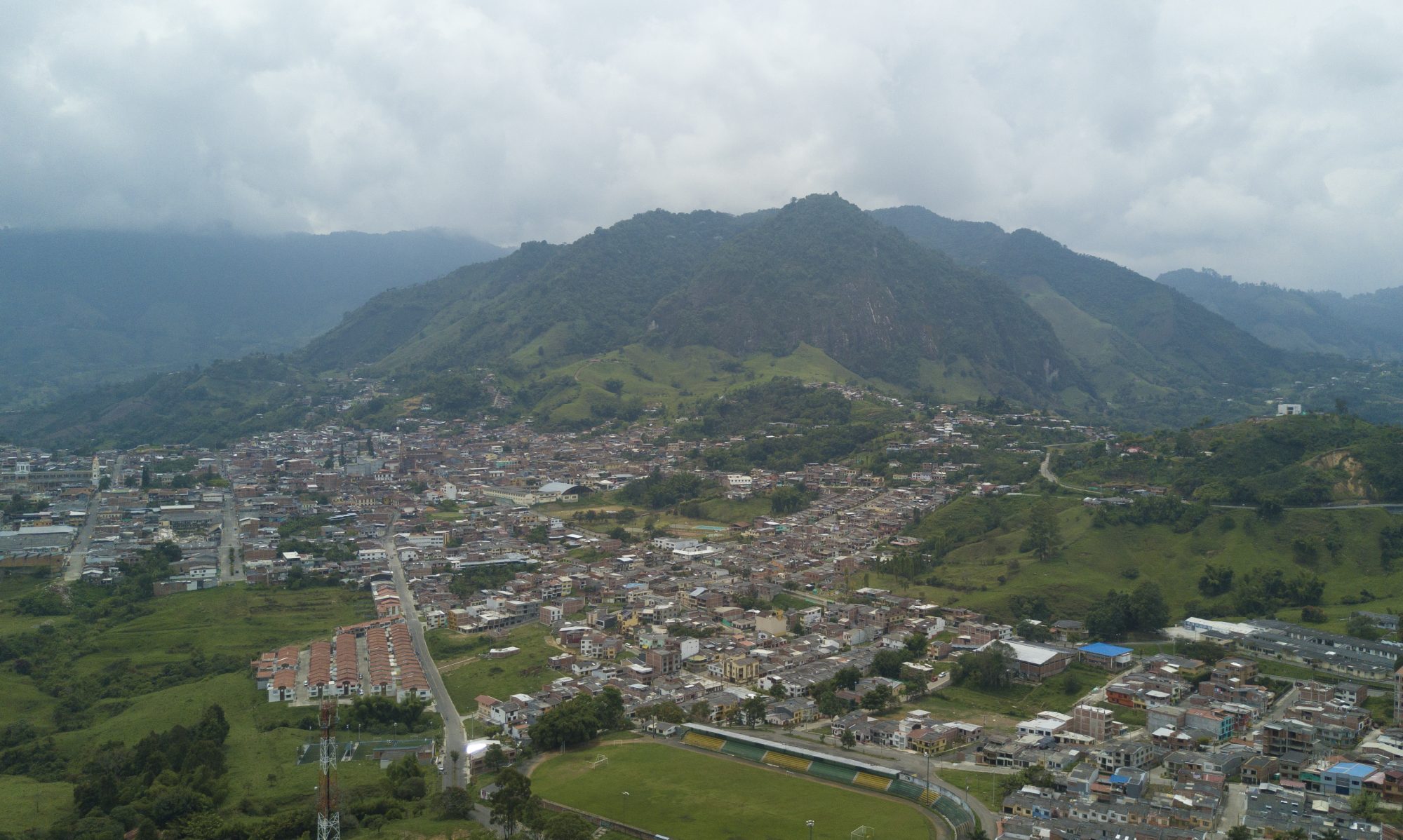
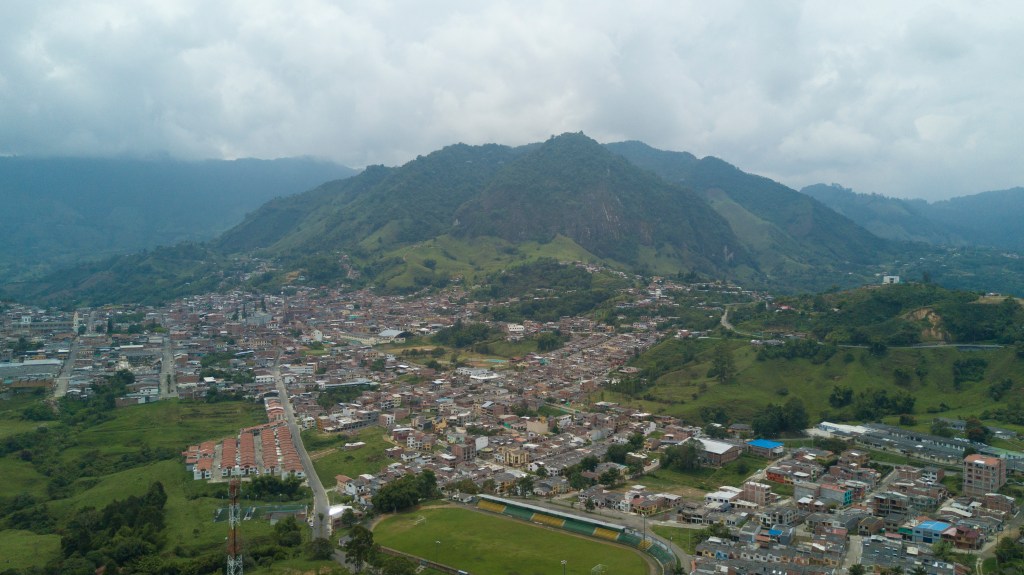
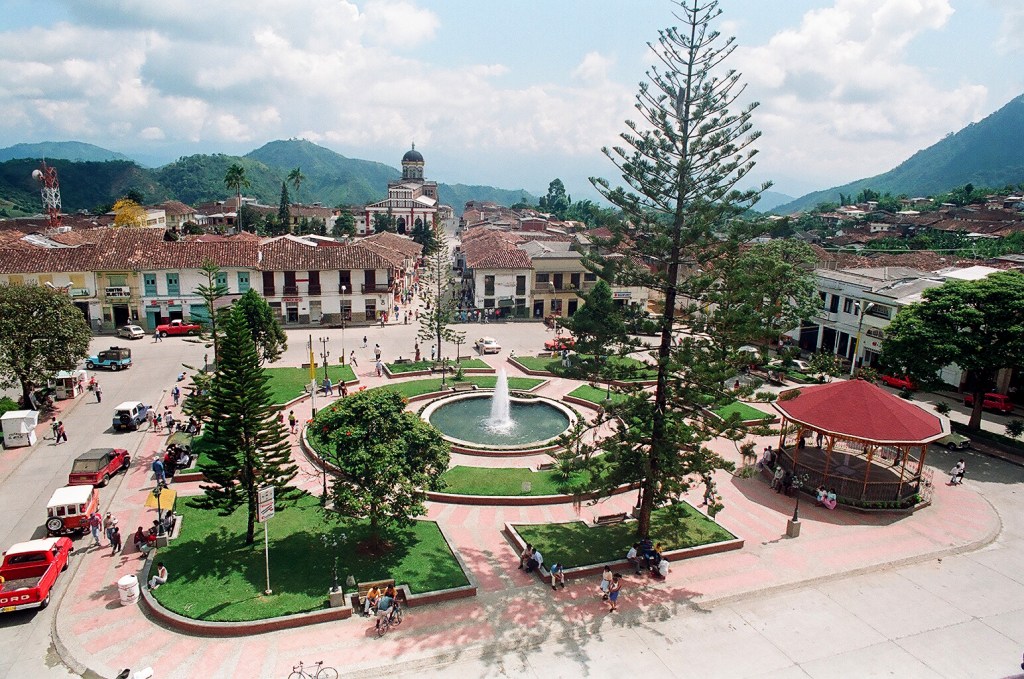
I was born in Riosucio, a small town in the Colombian Andean region located in Caldas province.
Nací en Riosucio, un pequeño pueblo de la región andina colombiana ubicado en la provincia de Caldas
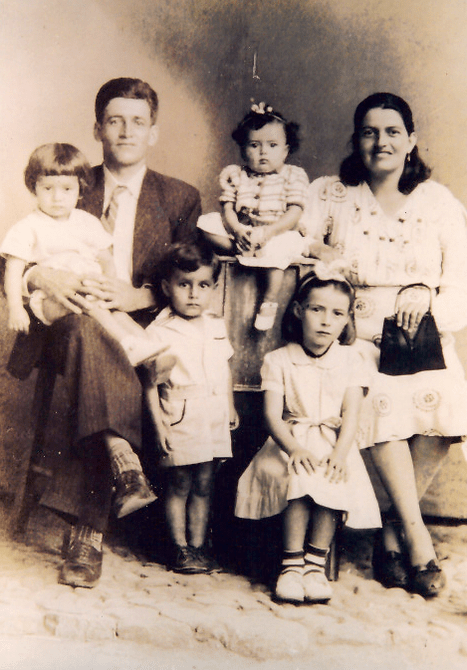
My mother and my aunts were all high school teachers, but they also worked in family stores. My father’s family were farmers, and we had a small farm where we produced a couple of thousands of eggs every day and grew fruits and vegetables of many kinds. We also had an agricultural supply store. When I was 8 years old, I began working on the farm and in the store and learned and became very interested in the lives of agricultural workers and their economies.
Riosucio’s population was more than 80% Indigenous people from the Embera-Chami ethnic group. However, despite their large majority over the mestizo population there was a vast social, economic and infrastructure gap between my Indigenous classmates living in rural areas and the rest of us, primarily mestizos, living in the urban core.
My mother and my aunts were all high school teachers, but they also worked in family stores. My father’s family were farmers, and we had a small farm where we produced a couple of thousands of eggs every day and grew fruits and vegetables of many kinds. We also had an agricultural supply store. When I was 8 years old, I began working on the farm and in the store and learned and became very interested in the lives of agricultural workers and their economies.
Mi madre y mis tías eran todas maestras de secundaria, pero también trabajaban en tiendas familiares. La familia de mi padre eran agricultores y teníamos una pequeña granja donde producíamos un par de miles de huevos todos los días y cultivábamos frutas y verduras de muchos tipos. También teníamos una tienda de suministros agrícolas. Cuando tenía 8 años, comencé a trabajar en la granja y en la tienda y aprendí y me interesé mucho por la vida de los trabajadores agrícolas y sus economías.
La población de Riosucio era más del 80% de indígenas de la etnia Embera-Chami. Sin embargo, a pesar de su gran mayoría sobre la población mestiza, había una gran brecha social, económica y de infraestructura entre mis compañeros indígenas que vivían en áreas rurales y el resto de nosotros, principalmente mestizos, que vivíamos en el núcleo urbano.
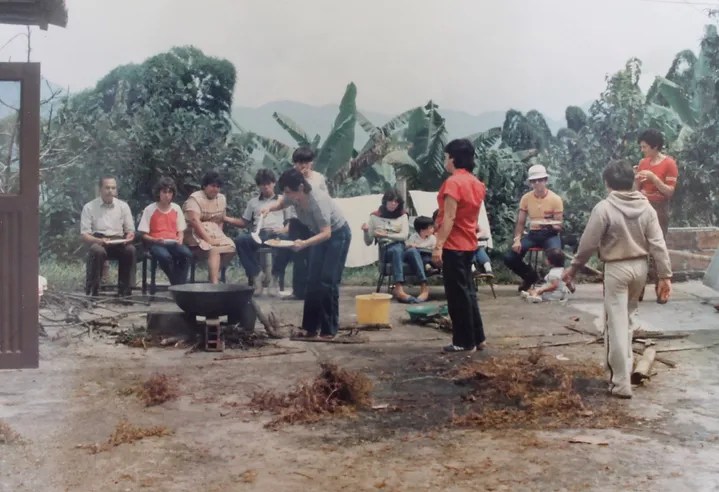
When I was 15, I left to medical school in Medellin and lived there for seven years. My medical studies coincided with the most violent period of the narco-trafficking war in the 1990s, and Medellin was its epicenter. Through medical school and my ten years of medical practice in Colombia in urban and rural areas I saw and experienced the effects of armed conflict on the bodies and souls of people. I left Colombia to join my family in Boston, Massachusetts, where we migrated fleeing violence.
Five years later, I relocated again to Canada. In Canada I began re-training to become an anthropologist. This journey of learning and research has allowed to me more deeply explore questions of conflict, migration, economic inequities and more in Colombia and beyond.
Cuando tenía 15 años, me fui a la escuela de medicina en Medellín y viví allí durante siete años. Mis estudios médicos coincidieron con el período más violento de la guerra del narcotráfico en la década de 1990, y Medellín fue su epicentro. A través de la escuela de medicina y mis diez años de práctica médica en Colombia en áreas urbanas y rurales, vi y experimenté los efectos del conflicto armado en los cuerpos y almas de las personas. Salí de Colombia para reunirme con mi familia en Boston, Massachusetts, a donde emigramos huyendo de la violencia.
Cinco años después, me mudé nuevamente a Canadá. En Canadá comencé a volver a capacitarme para convertirme en antropóloga. Este viaje de aprendizaje e investigación me ha permitido explorar más profundamente cuestiones de conflicto, migración, desigualdades económicas y más en Colombia y más allá.
contact | contacto: gperezrivera@mtroyal.ca
© Copyright 2026 Gloria C. Pérez-Rivera
 Gloria C. Pérez-Rivera, MD PhD